See our right-hand column for announcements and news briefs. Scroll down the right-hand column to access the Archives -- links to articles posted in the main column since 2007. See details about our site, including a way to comment, in the yellow text above the Archives.
Showing posts with label Environmental historian Nancy Langston. Show all posts

Tuesday, January 06, 2026

Guest article: Reindeer in Iceland

By Nancy Langston*

"Reindeer and lichen in Iceland." (Original linocut print, © and courtesy Nancy Langston. 2024.)

In September 2023, while I was hiking under the cliffs that rise steeply above Stöðvarfjörður in east Iceland, a herd of animals drifted down the mountainside towards me. At first, I thought they were sheep, which outnumber people in Iceland two to one. But as they came closer, I saw their antlers. Reindeer! Stifling my yelp of joy, I dropped behind a rock outcropping and peered at the herd through my binoculars, scribbling notes on individual movements and snapping photographs. Eventually one female lifted her head from the lichen, snorted in my direction, then trotted back toward the protection of the cliffs. The rest of the herd took her cue, and soon they were scrambling back up the mountain, taking a route far too challenging for me to attempt.

This was my third research trip to Iceland, and I was thrilled that reindeer had finally graced me with their presence. Most visitors to east Iceland who glimpse reindeer assume they are completely wild creatures, an emblem of untouched wilderness free from human intervention. But the reindeer in Iceland are just the opposite: their histories are profoundly entangled with human settlement histories. Icelandic reindeer descend from those introduced from Europe in the 1770s by the country’s elite Danish rulers, the world’s first reindeer translocation. More than 250 years later, reindeer now roam freely, wintering along east Iceland’s fjords and migrating up into the highlands during summer, far from roads. No predators threaten their migrations, so wildlife managers carefully control permits for an annual hunt, trying to prevent overgrazing. Iceland’s reindeer speak to us not of untouched primordial wilderness, but instead of the complex historical relationships between humans and reindeer that still influence modern conservation.

Reindeer and caribou (Rangifer tarandus) are members of the same species, whose current ranges stretch across the circumpolar Arctic from North America to Eurasia. Members of the deer family, reindeer thrive in a variety of habitats. They are a migratory species, with some populations migrating vast distances across treeless Arctic tundra, making the longest annual migrations of any land mammal. Other populations have evolved shorter migrations in forests or on islands. These diverse migration strategies have been key to their resilience over thousands of years.

Reindeer are excellent swimmers and often migrate across water. (Linocut print, © and courtesy Nancy Langston)

But migration is harder than it used to be. Habitat loss, climate change, and infrastructure development have blocked many wildlife migration routes. Reindeer and caribou have retreated from roughly half their 19th century range, and their populations have dropped by 56 percent in the past decade (although some populations are expanding).

One reason to care about reindeer responses to climate change is that they may be crucial partners in the efforts to keep civilization from crossing key Arctic tipping points. Tipping points in climate models are critical thresholds that, if crossed, can lead to self-perpetuating, runaway warming in an ecosystem. Reindeer browsing can reduce the process of "shrubification" in the Arctic -- a positive feedback loop wherein heat-absorbing shrubs expand across the tundra as climates warm. As reindeer populations have declined in some sites, heat-absorbing shrubs have increased and heat-reflecting grasses decreased, leading to more warming. Ecologists fear that if this warming diminishes the reindeer’s ability to persist, it could unleash a domino effect of runaway warming. Translocation, however, may offer a way to help them persist.

Translocation of wildlife is nothing new. The first effort to move reindeer actually took place two and half centuries ago, when the ecological and social disruptions of the Little Ice Age led Danish rulers of Iceland to fear starvation among the island’s settlers. The Little Ice Age had hit Iceland hard, and settlers who had relied upon sheep herding struggled to survive. This problem was made worse by new sheep varieties imported from England that proved susceptible to scabies. The Danes tried to substitute reindeer as protein sources, calculating that if the reindeer could survive in the European tundra, surely they could survive in Iceland.

Snowy owls have protected reindeer migrations across the north, because wind project developments that might block reindeer migrations can be moved when they might harm snowy owl habitat. (Linocut print, © and courtesy Nancy Langston)

Initial efforts to move reindeer into Iceland in the 1770s failed; even without native Icelandic predators, the reindeer managed to fall off cliffs, stumble into boiling geysers, and get lost in lava fields. Finally, in 1787 a translocation of 35 reindeer from Finnmark met with more success (at least from the reindeer’s perspective). Descendants of those stragglers form the basis of Iceland’s current free-ranging herd. Rather than dying off like other introduced herds, they expanded rapidly in the latter half of the 20th century. Despite the genetic challenges associated with a tiny founding population estimated at 15 individuals, the population reached a size of about 6,000 to 7000 individuals. Because there are no native predators in Iceland, now regulated hunts and cars are the main sources of mortality. 

Northern gannets are now nesting in great numbers on Skrúður Island in eastern Iceland, thanks to successful conservation programs. (Linocut print, © and courtesy Nancy Langston)

What is the potential future for reindeer in Iceland? Climate change has brought dramatic changes to the region, as has hydropower development, which currently supplies 92 percent of Iceland’s energy production. Floods, landslides, and winter icing events have become more common. Winter ice can prevent reindeer from foraging lichen. But at least so far, Iceland’s reindeer appear to be surprisingly resilient and adaptable. When winter pastures ice over, some individuals starve, but others initiate new migrations, exploring new pastures and selecting new foods such as seaweed. Icelandic farmers long hated the reindeer, because they weren’t allowed to hunt them, but in recent decades, reindeer and locals have managed to co-exist in a rapidly warming Iceland.

Nancy Langston demonstrates the process for creating a linocut print during the 49th Annual Poor Artists Sale at the CLK Gymnasium in Calumet on Dec. 6, 2025. (Photo by John Peiffer for Keweenaw Now)

*Editor's Note:

Nancy Langston, author of this article and linocut artist, is Board President of The Keweenaw Land Trust and Distinguished Professor Emerita of Environmental History, Michigan Technological University. Trained as an ornithologist, Nancy Langston's academic research in the past two decades has explored the ecological histories of wildlife in northern ecosystems. She is the author of six books on reindeer, Lake Superior, toxics, climate change, and old growth forests. To read more about Nancy and her linocut prints, visit her Web site, https://www.nancylangston.net/

Wednesday, January 10, 2018

Nancy Langston, environmental historian, to present her new book, "Sustaining Lake Superior," Jan. 14 at KUUF Forum; presentations book signings offer book preview

By Michele Bourdieu

Nancy Langston, MichiganTech University professor of environmental history, signs copies of her new book, Sustaining Lake Superior: An Extraordinary Lake in a Changing World, for two Michigan Tech colleagues -- Erik Lilleskov, left, of the School of Forest Resources and Environmental Science, and Casey Huckins of Biological Sciences -- following her presentation during the book launch event at Michigan Tech's Great Lakes Research Center on Nov. 1, 2017. (Photos by Keweenaw Now)

HOUGHTON -- Environmental historian and kayaker Nancy Langston's love for Lake Superior led her to write a book about the history of the big lake's recovery from polluting industries -- from deforestation and paper mills to invasive species, mining and chemical industries -- and the present and future environmental challenges mobilizing with climate change.

Langston, who has been at Michigan Tech since 2013 as professor of environmental history in the Department of Social Sciences, the Great Lakes Research Center, and the School of Forest Resources and Environmental Science, recently published Sustaining Lake Superior: An Extraordinary Lake in a Changing World (Yale University Press: October 2017) and has been speaking about her book, involving local community members in discussions on Lake Superior, and donating some of the proceeds from the sale of the book to educational environmental causes.

Her next presentation and book signing will be at the Keweenaw Unitarian Universalist Fellowship (KUUF) Sunday Forum at 10:30 a.m. on Sunday, Jan. 14. Langston will lead a conversation on what we can learn from the past to help sustain Lake Superior. The Forum is held at BHK Campus, 700 Park Ave., Houghton (enter on Waterworks Street).

Langston has written four books and more than 50 scientific papers on environmental change, and she has won fellowships and awards from the American Council of Learned Societies, the American Philosophical Society, the National Humanities Center, the National Science Foundation, and the American Society for Environmental Historians. During 2012-2013, Nancy was the King Carl XVI Gustaf Professor of Environmental Science at Umeå University in Sweden, where she was a recipient of an honorary doctorate. She served as a professor at the University of Wisconsin-Madison for 18 years with appointments in the Nelson Institute for Environmental Studies and the Department of Forest and Wildlife Ecology. Former president of the American Society for Environmental Historians and editor of Environmental History, she is now writing a book on climate change and wildlife in the north. Langston is presently active in the Keweenaw Climate Community and the local Citizens' Climate Lobby group.

Some of the facts Langston presents in Sustaining Lake Superior include the following:
  • Lake Superior is the largest lake in the world (by surface area) and contains 12 percent of the world's freshwater, a resource of enormous importance.
  • Lake Superior is big enough to contain all the other Great Lakes "with a couple of additional lake Eries tossed in." The lake is big enough to create its own storm systems.
  • The lake is so vast that a drop of water stays in the lake for an average of 191 years.
  • Lake trout, once nearly extinct, now thrive -- one of conservation's great success stories.
  • From the other side of the globe, China exerts a strong influence over the lake. Atmospheric currents bring chemicals, and pressures to mine iron ore are driven by China's steel boom. These global influences have profoundly local effects.
  • Global warming is now changing Lake Superior rapidly, remobilizing contaminants that were thought to have vanished.
The book has been praised by many knowledgeable authors for its careful research, scientific and historical detail, passion and insight, engaging writing and concern for future generations.

"Langston has written nothing less than the definitive biography of the Greatest Lake, from its birth right up to its current encounter with climate change," writes James Gustave Speth, former dean of the Yale School of Forestry and Environmental Studies. "It is a wonderful, moving story, and as she eloquently describes, a new and challenging chapter must now be written."

Langston speaks at Keweenaw Climate Community event

More than 100 local community members, educators and students attended the Oct. 5, 2017, Keweenaw Climate Community (KCC) event that preceded the official publication of Sustaining Lake Superior. Langston presented "Lake Superior Impacts" and involved the audience in a discussion on how climate change is affecting Lake Superior and what the lake could look like in the future.

Michigan Tech University Professor Nancy Langston, author of the 2017 book Sustaining Lake Superior, speaks about Lake Superior and climate change during a meeting of the Keweenaw Climate Community on Oct. 5, 2017, at the Orpheum Theater in Hancock. (Videos by Keweenaw Now)

When some members of the audience commented on recent intense weather changes, Langston noted that climate change could mean more intense wind and more intense lake effect snow events in the Keweenaw's future:

During the Oct. 5, 2017, Keweenaw Climate Community climate change discussion, Michigan Tech Professor Nancy Langston replies to audience comments on changes in snowfall and wind events in the Keweenaw because of climate change.

Asked for their opinion on Langston's KCC presentation, students had positive reactions.

Emily Prehoda, Michigan Tech Ph.D. student in environmental and energy policy, who took a course on Global Environmental History from Langston, was enthusiastic: "She's great! She's always captivating," Prehoda said.

In response to Langston's mention of the Citizens' Climate Lobby and their efforts to include lawmakers from both sides of the aisle, Will Lytle, Michigan Tech Ph.D. candidate and student leader, said, "I thought it was nice to hear about the bipartisan solutions beginning -- and local discussions and successes (such as Rep. Jack Bergman joining the House Climate Solutions Caucus)."

Emily Prehoda, left, Lydia Lytle and Will Lytle enjoy Nancy Langston's presentation and discussion at the Keweenaw Climate Community event on Oct. 5, 2017.

Lucille Zelazny of Michigan Tech's Earth, Planetary and Space Sciences Institute (EPSSI) said she could relate to some of the climate changes Langston mentioned in the discussion.

"I've lived here a long time, and I have a house on the Portage," Zelazny said. "I see changes in plants."

During one of the small-group discussions at the Oct. 5 Keweenaw Climate Community event, Lucille Zelazny, second from right, discusses climate changes with, from left, Craig Waddell, Michigan Tech professor in Humanities; Charles Kerfoot, Michigan Tech professor in Biological Sciences and director of the Lake Superior Ecosystem Research Center (and Zelazny's husband); and John Soyring, a retired senior IBM executive of Austin, Texas, who is on the PAVLIS board at Michigan Tech and is interested in climate and environmental research.

Book launch at Great Lakes Research Center

Michigan Tech's Great Lakes Research Center was the scene of a book launch and reception for Sustaining Lake Superior on Nov. 1, 2017, shortly after the official publication of the book by Yale University Press. Author Langston gave a short reading from the book and a presentation, followed by a question and answer session with the audience and a book signing.

At the Nov. 1, 2017, book launch for Sustaining Lake Superior at Michigan Tech's Great Lakes Research Center, author Nancy Langston reads some of the important facts about Lake Superior and the challenges to the lake presented by the impacts of climate change.

Questions from the audience included concerns about Lake Superior's future and what to do about the present pollution challenges.

Following her Nov. 1 reading and presentation from Sustaining Lake Superior, Nancy Langston replies to a question on citizen science from Bill Rose, Michigan Tech research professor in Geological and Mining Engineering and Sciences, and a question on monitoring pollutants from Marshall Plumer, retired Isle Royale district ranger.

Dawn Plumer, who teaches in the Houghton-Portage Township schools, said she found Langston's presentation informative.

"We need to start now (protecting Lake Superior)," Dawn said. "I don't want it to go backwards."

A question from Craig Waddell, Michigan Tech professor in Humanities, led to Langston's account of how she decided to write a book about Lake Superior.

In reply to Prof. Craig Waddell's question on how she came to write Sustaining Lake Superior, Nancy Langston speaks about her kayaking, her love of the lake -- and her experience with Wisconsin's Mining Moratorium and the Bad River Band of Anishinaabe, struggling to stop a proposed open-pit taconite mine in Wisconsin in order to protect the water and their wild rice crop.

In Chapter 6 of her book, "Mining, Toxics, and Environmental Justice for the Anishinaabe," Langston recounts struggles by the Mole Lake Sokaogon to defeat the proposed Crandon Mine that threatened to pollute their water and the Bad River Band's efforts to protect their wild rice from Gogebic Taconite's proposed open-pit mine, both in Wisconsin. As she mentioned in the above video clip, the Anishinaabe determination to protect water from mining pollution inspired her to write Sustaining Lake Superior -- a book that challenges citizens to think about the environment, as Native Americans do, in terms of future generations.

Patty Loew of the Bad River Anishinaabe expresses her appreciation of the philosophy behind Langston's book: "This insightful environmental history is a cautionary story about the true cost of the unenlightened commodification of Lake Superior. Like the Anishinaabe whose stewardship Nancy Langston chronicles, she invokes Seventh Generation thinking: make wise decisions today based on the best interests of future generations."

Langston speaks at FOLK Annual Meeting

Nancy Langston also spoke about Sustaining Lake Superior at the Nov. 9, 2017, annual meeting of FOLK (Friends of the Land of Keweenaw), a local environmental group formed in 1989 to oppose the siting of a bleach kraft pulp paper mill on the shores of Lake Superior's Keweenaw Bay. A year later after a lot of public outcry and a law suit against the State of Michigan for misappropriation of State funds, James River Corporation withdrew their proposal. FOLK’s mission is to protect and preserve the ecological integrity of the Lake Superior Watershed through education and citizen involvement. FOLK’S most current issue is monitoring the L’Anse Warden Electric Plant, located near Keweenaw Bay, to help ensure that it is properly permitted and in compliance with its permits.

Linda Rulison, FOLK president, in her report on the meeting, commented on how Langston's book is related to FOLK's mission: "[Langston's] new book explores the environmental and social history of the Lake Superior basin and what that history can teach us about why it is important to protect Lake Superior," Rulison writes. "Conventional wisdom surrounding pollution which was primarily from pulp mills in the early days was that 'dilution was the solution' to dealing with industrial waste. It was thought that Lake Superior is so large that the pollution will be mixing with the large body of water and will not hurt our drinking water or the fish. What we did not count on was the fact that pollution is not only local but also global. It knows no boundaries. Through air deposition toxins end up in the Great Lakes and that pollution often stays close to shore where it can bioaccumulate in fish. Mercury and PCB bioaccumlates in large enough quantities to be toxic to humans who eat the fish. It was noted that people around the Great Lakes eat twice as much fish as those who don’t live around the Great Lakes. Therefore, it behooves all of us to love and protect the 'greatest' of all of the Great Lakes, Lake Superior. FOLK will continue to be an advocate for Lake Superior helping to protect the health of the Lake and its people."

To learn more about Nancy Langston, her three previous books and other publications, and her present projects, visit her Web site, nancylangston.net.

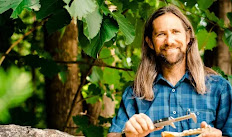
Inset photo: Nancy Langston. (Photo courtesy Nancy Langston)